What is dry eye?
We check tear volume and evaporation, the oil layer, and ocular surface damage
to find the cause of recurring dryness.
When the tear film and ocular surface lose their balance
Dry eye is a condition in which the balance between the tear film and the ocular surface breaks down,
causing a range of eye discomfort.
It can occur not only when tear production is low, but also when tears evaporate too quickly
or when the composition and function of the tear film become unstable.
If symptoms persist, inflammation and damage to the ocular surface may follow,
so care should be based on identifying the underlying cause.
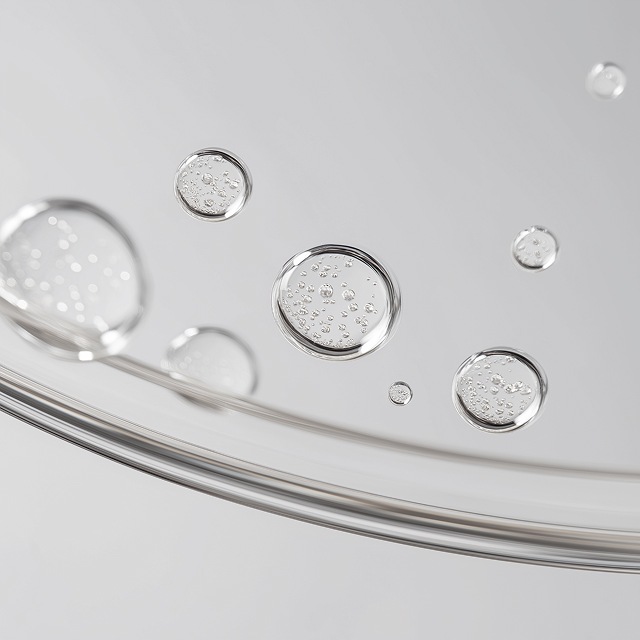

The three layers of the tear film
The lipid (oil), aqueous, and mucin layers work together to keep the eyes moist and protect the ocular surface.
- Lipid (oil) layer
- Secreted by the meibomian glands in the eyelids, it keeps tears from evaporating too quickly.
- Aqueous layer
- Making up most of the tear film, it supplies moisture and nutrients to the ocular surface and washes away debris.
- Mucin layer
- Helps tears spread evenly over the cornea and conjunctiva and stay there steadily.
Main types of dry eye
Dry eye is divided into cases where tears are insufficient and cases where tears evaporate too quickly, and the two types can also occur together.
Aqueous-deficient dry eye
The lacrimal glands produce fewer tears,
leaving the ocular surface short of moisture.
Evaporative dry eye
Poor-quality oil from the meibomian glands
causes tears to evaporate quickly.
Mixed dry eye
Reduced tear production and increased evaporation occur together,
so both causes need to be managed.
Six criteria we use to assess dry eye
Rather than relying on symptoms alone, we assess tear volume, evaporation, and the condition of the ocular surface to determine the right course of treatment.
Dryness & grittiness
We check when and how often your eyes feel dry or tight.
Foreign body sensation & stinging
We look at whether a sandy feeling or burning keeps coming back.
Blurred vision
We check whether your vision briefly clears when you blink.
Tear production
We check whether enough tears are being produced to keep the eyes moist.
Tear film stability
We measure how long the tear film stays stable to gauge evaporation.
Ocular surface damage
We check the cornea and conjunctiva for irritation or damage to decide on the treatment needed.
How dry eye is treated
After examining the tear film, meibomian glands, and ocular surface, we apply treatment suited to the cause and severity of your dry eye.

IPL treatment
Delivers light energy around the eyelids
to help the meibomian glands release oil and stabilize the tear film.

Autologous serum eye drops
Eye drops made from serum separated from your own blood
help the damaged ocular surface recover.

PRP (platelet-rich plasma) eye drops
Uses your own plasma, rich in platelets and growth factors,
to support ocular surface repair and a healthy tear film.
Dry eye
FAQ
- Q Can I have dry eye even if my eyes water a lot?
-
A
When the eye surface becomes dry, the eyes may suddenly produce a lot of tears in response to the irritation.
Rather than judging by watery eyes alone, the condition of the tear film needs to be checked. - Q Why do my eyes still feel dry even though I use artificial tears often?
-
A
The problem may not be a lack of tears, but tears evaporating too quickly or an unstable lipid layer.
Examining the meibomian glands and tear film helps identify the cause. - Q Can dry eye be cured completely?
-
A
Response to treatment varies with the cause and severity, and ongoing care is often needed.
We monitor your symptoms and tear film and adjust both your treatment and daily habits accordingly. - Q Can I keep wearing contact lenses?
-
A
If the ocular surface is damaged or dryness is severe, you may need to reduce lens wear or pause it for a while.
Once your eyes have stabilized, we will advise you on how to wear lenses appropriately. - Q Does dry eye affect vision?
-
A
An unstable tear film leaves the eye surface uneven, which can blur vision or reduce clarity.
Vision that briefly sharpens after blinking can also be a sign of dry eye.
