Autologous plasma eye drops
Platelet-containing plasma separated from your own blood
helps restore a dry, damaged ocular surface.
Ocular surface treatment using plasma from your own blood
Autologous PRP (platelet-rich plasma) eye drops are made by drawing a small amount of your own blood, separating the platelet-containing plasma
by centrifugation, and preparing it as eye drops.
The growth factors and proteins in plasma help manage an unstable tear film
and support recovery of the damaged corneal epithelium.
The key to PRP eye drops
Using plasma separated from your own blood, treatment is tailored to the condition of your tear film and the extent of ocular surface damage.
Made from your own blood
Uses plasma separated
from your own blood.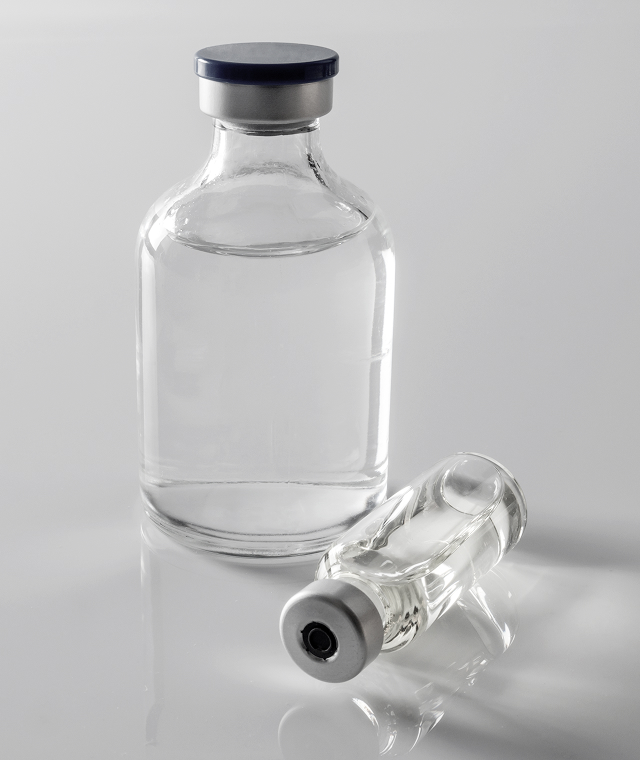
Platelet-derived components
Growth factors and proteins from platelets
are used to care for the ocular surface.
Corneal & conjunctival recovery
Supports recovery of an ocular surface
weakened by recurring dryness and irritation.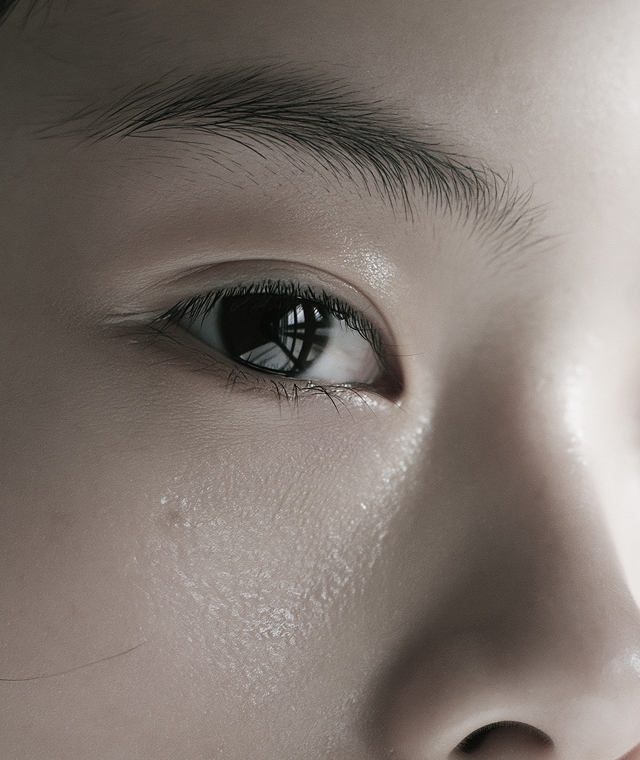
For moderate to severe dry eye
Can be considered when artificial tears or autologous serum eye drops
have not relieved discomfort.
Serum vs. PRP eye drops
Both autologous serum eye drops and PRP eye drops are made from your own blood, but they differ in how they are separated and what they contain.
We choose the right option based on the degree of ocular surface damage, your dryness symptoms, and the level of recovery needed.
Autologous serum eye drops
Made from serum separated after the blood has clotted,
with components similar to natural tears that help lubricate and heal the ocular surface.
PRP eye drops
Made from platelet-containing plasma,
using platelet-derived growth factors to support ocular surface recovery.
What to expect from PRP eye drops
Using components from your own blood, they help the damaged ocular surface recover and reduce recurring dryness, stinging, and foreign body sensation.
Ocular surface recovery
Helps a cornea and conjunctiva damaged by dryness and irritation recover.
A more stable tear film
Helps the tear film stay more stable.
Less dryness
Helps ease the dry, gritty feeling in the eyes.
Less grittiness & stinging
Helps reduce the sandy feeling and burning.
Corneal healing
Helps improve corneal surface damage caused by dry eye.
Clearer vision
Helps reduce the recurring blur caused by an unstable tear film.
How PRP eye drops are made
Plasma is separated from your blood and prepared as eye drops, which you then use as instructed.
- STEP 01
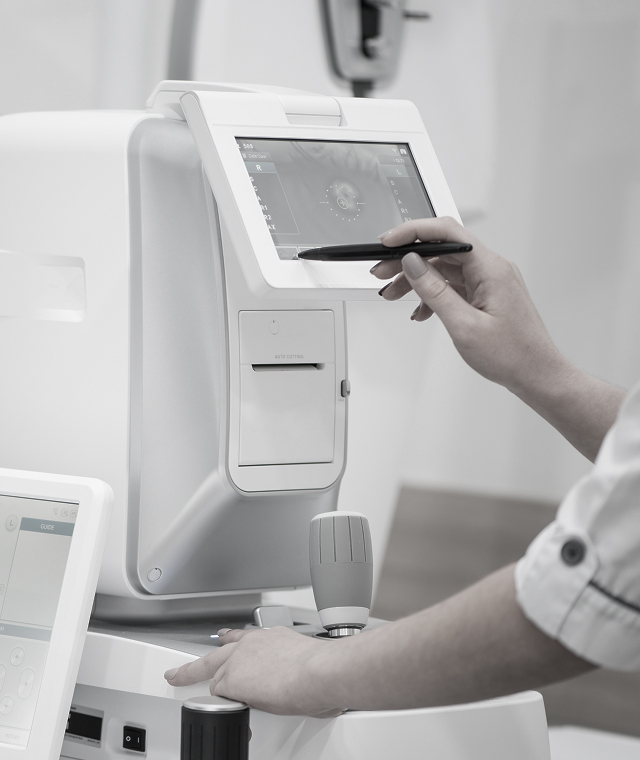
Ocular surface assessment
We check dry eye severity, corneal damage,
and how you have responded to previous eye drops. - STEP 02
Blood draw
Blood is drawn to obtain
the plasma needed for the eye drops. - STEP 03
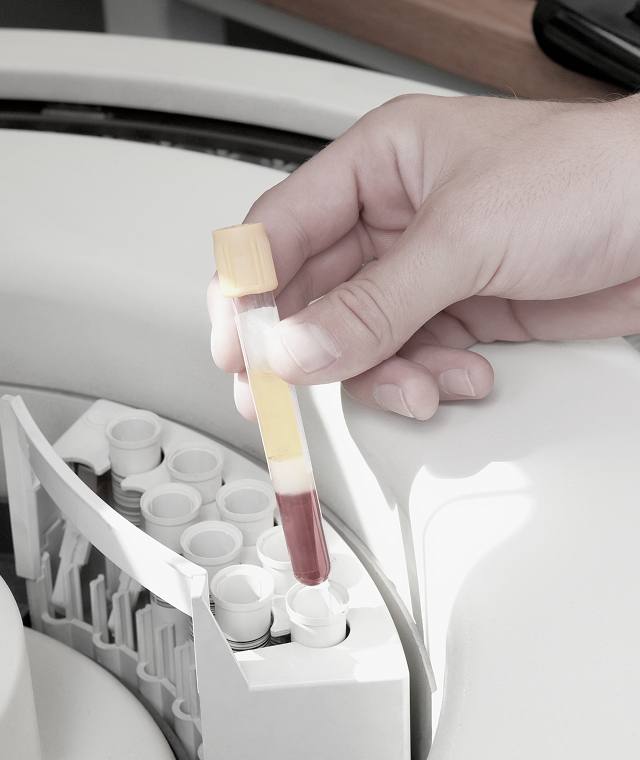
Plasma separation & preparation
The blood is centrifuged to separate platelet-containing plasma,
which is then prepared as eye drops using a set method. - STEP 04
Use & follow-up
Use and store the drops as instructed,
while we monitor your symptoms and ocular surface.
Who can benefit from
PRP eye drops
- Recurring corneal damage
- Fine damage to the corneal surface has been found due to dryness
- Eye sensitivity & grittiness
- Ongoing stinging and a sandy, gritty feeling
- Temporary blurred vision
- An unstable tear film often blurs your vision
- Limited response to eye drops
- Symptoms have not improved enough with prescription eye drops or autologous serum eye drops
- Ocular surface recovery
- The eye surface needs recovery care after an eye condition or surgery
PRP eye drops
FAQ
- Q Can anyone use PRP eye drops?
-
A
They may be considered for moderate to severe dry eye that has not responded well to conventional eye drops.
We decide whether they are suitable after reviewing your overall health and ocular surface exam results. - Q How are they different from autologous serum eye drops?
-
A
Serum eye drops use serum separated from the blood, while PRP eye drops use platelet-containing plasma.
The right option is chosen based on your tear film and ocular surface condition. - Q Can I use them together with artificial tears?
-
A
Depending on your ocular surface, artificial tears or other prescription eye drops may be used together.
The order and timing of drops are adjusted according to your doctor's instructions. - Q Can I store them at room temperature like regular eye drops?
-
A
Depending on how they are prepared and how long they will be used, PRP eye drops may need to be refrigerated or frozen.
Please follow the storage instructions and expiration date provided by the clinic. - Q Are there any side effects?
-
A
You may feel temporary irritation or discomfort after applying the drops, and hygienic storage and use are important.
If you notice pain, severe redness, discharge, or changes in vision, please consult your doctor.
