Melasma, moles & pigmentation
Melasma, blemishes, moles, and post-inflammatory pigmentation differ in cause and depth,
so treatment should be chosen after assessing your skin.
Uneven melanin
in the skin
Pigmentation disorders occur when melanin increases or spreads unevenly in certain areas,
appearing as brown or dark spots on the skin.
Melasma, blemishes, freckles, and post-inflammatory hyperpigmentation may look alike, but they differ in cause and depth,
and moles also require a check of their shape and depth.
At RE:A CLINIC, we identify the type of pigment, your skin sensitivity, and its distribution before planning the right laser and brightening care.

Keys to pigmentation treatment
We assess the type and distribution of pigment along with how your skin responds, then choose the treatment that fits your current condition.
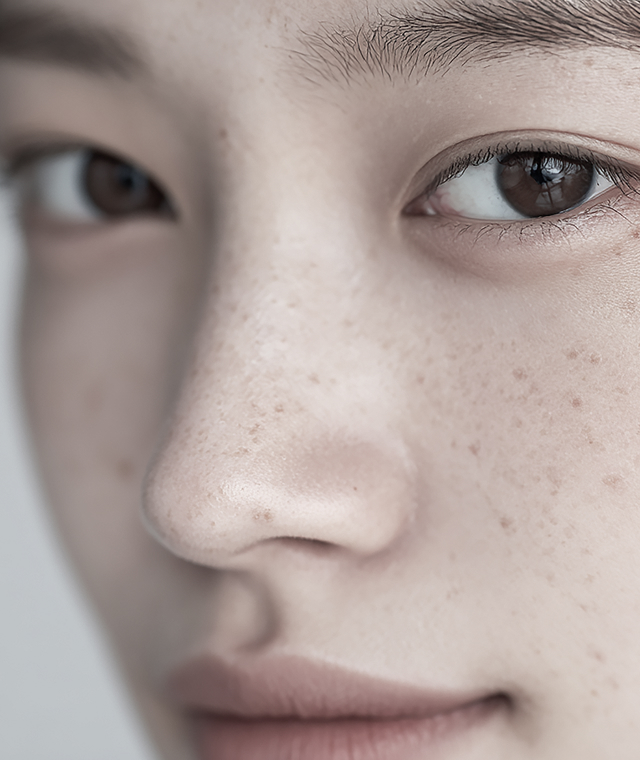
Identifying the pigment type
We distinguish melasma, blemishes, moles, and post-inflammatory pigmentation
to set the treatment direction.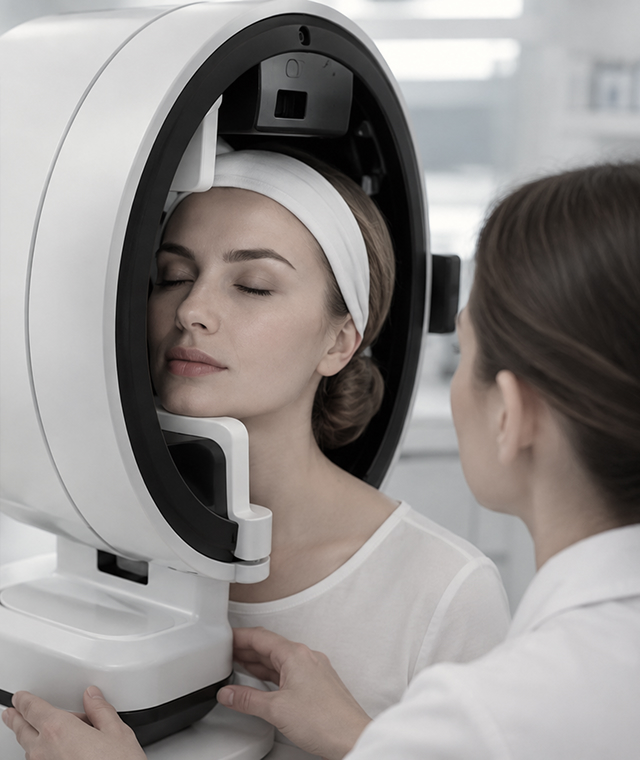
Checking pigment depth
We examine where the pigment sits and how it spreads
to choose the right wavelength and intensity.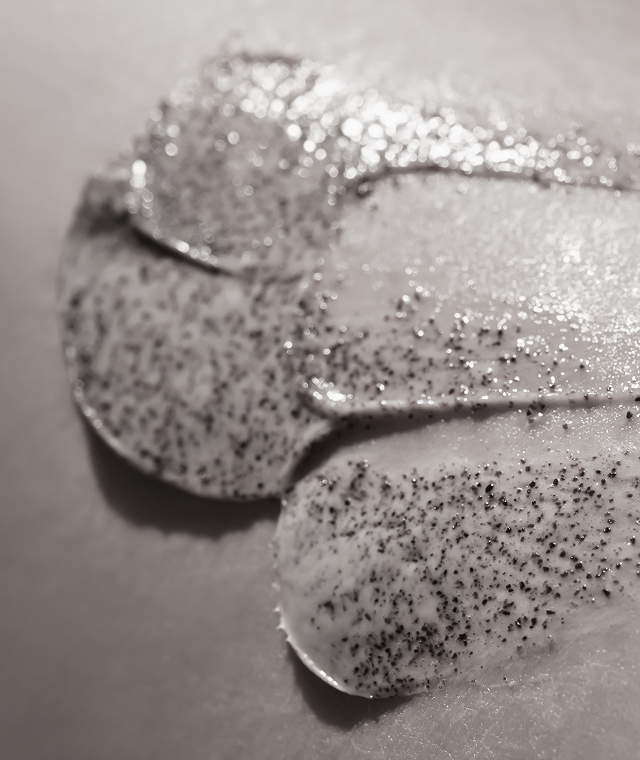
Controlling skin irritation
We consider skin thickness, sensitivity, and redness
to minimize excessive irritation.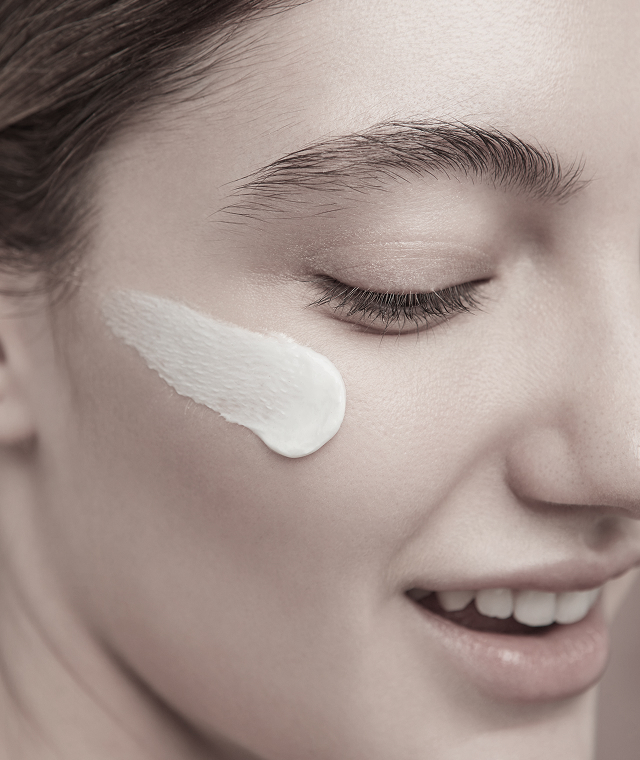
Care with recurrence in mind
We help you manage UV, heat, and daily habits after treatment
to help keep pigment from darkening again.
Common pigmentation concerns
From melasma and blemishes to moles and post-acne marks, we look at the distinct features of each pigment and guide you to the right treatment.
Melasma
Brown or grayish-brown pigment that spreads broadly across the cheekbones, forehead, and around the mouth.
It can be influenced by UV exposure, hormonal changes, and skin irritation.
Blemishes · age spots
Spots with relatively clear borders that appear on areas repeatedly exposed to sunlight.
Treatment may vary depending on their size, thickness, and color.
Moles
Pigmented lesions formed by clusters of melanocytes.
The removal method is chosen based on how raised and deep they are.
Post-inflammatory hyperpigmentation
Brown or reddish marks left behind after acne, dermatitis, or wounds.
If irritation continues, the discoloration may last longer.
Dull skin tone
A combination of UV, dryness, dead skin buildup, and uneven pigment
that makes the whole complexion look dark and tired.
Moles & Pigmentation
Melasma, mole & pigmentation treatments at RE:A CLINIC
We assess the depth and distribution of melasma, moles, and pigment along with your skin condition, then choose a treatment suited to each.

Pico toning laser
Delivers energy in ultra-short pulses to treat melasma, blemishes,
and other pigment concerns according to your skin condition.

BBL HERO
Uses broad-spectrum light to address pigment, redness,
and uneven tone across the entire face.

Laser Genesis
Improves skin tone, redness, and texture together
for a more even complexion.

CO₂ laser
After checking a mole's size, depth, and elevation,
we carefully remove only the lesions that need it.

Aftercare precautions
- Do not rub the treated area or pick at scabs.
- Apply sunscreen when going out and avoid strong sun exposure.
- Avoid alcohol, saunas, jjimjilbang (Korean spas), and strenuous exercise on the day of treatment.
- Keep up with moisturizing and recovery care after treatment.
- Temporarily avoid irritating care such as scrubs and peels.
Melasma, moles, pigmentation & brightening
FAQ
- Q How can I tell melasma from blemishes?
-
A
Melasma often has blurred edges and spreads broadly, while blemishes tend to have clearer borders.
Since several types of pigment can appear together, a medical exam is needed to tell them apart. - Q Can a mole be removed in one session?
-
A
Small, shallow moles may be removed in a single treatment, but deep or raised moles may need repeat sessions.
Removing a mole too aggressively can leave scarring or pigmentation, so we proceed according to each mole's condition. - Q Can melasma darken again after treatment?
-
A
Melasma can darken again due to UV exposure, hormonal changes, and skin irritation.
Even after treatment, sun protection, moisturizing, and skin barrier care are important. - Q Is it okay if scabs form after pigmentation treatment?
-
A
Depending on the treatment, thin scabs or temporary color changes may appear.
Do not pick at scabs; let them fall off naturally. - Q Can brightening care alone remove melasma and blemishes?
-
A
Brightening care can help manage skin tone and pigment production, but its effect on pigment that has already formed is limited.
Depending on your pigment, laser and brightening care can be combined.
