Hair loss
We look at your hair loss pattern, hair thickness, and scalp condition
to determine the treatment and care you need now.
Changes in the
hair growth cycle
Hair loss occurs when the normal cycle of hair growth and shedding changes,
causing hair to thin or lose density.
Many factors can contribute, including genetics, hormonal changes, immune disorders, stress,
nutrition, and medications, and the progression and treatment vary by cause.
If you suddenly lose a lot of hair or notice thinning in certain areas,
it is important to first check your hair loss type and scalp condition.
Keys to hair loss treatment
We assess the pattern and progression of hair loss along with your scalp and hair condition, then build a treatment and care plan suited to the cause.

Identifying the hair loss type
We examine where and how hair is thinning, such as the crown,
hairline, or part, to determine the type of hair loss.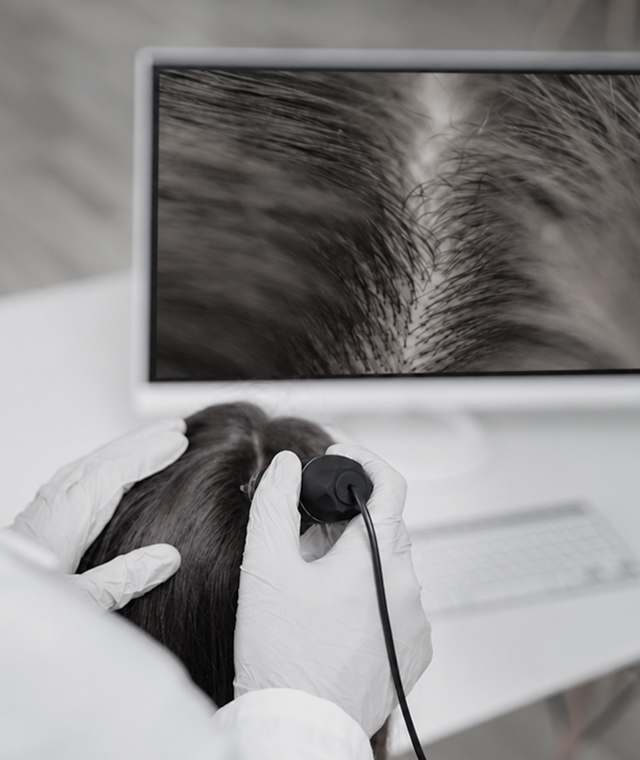
Scalp & hair diagnosis
We check scalp sebum and inflammation, hair thickness, and density
to establish a baseline for treatment.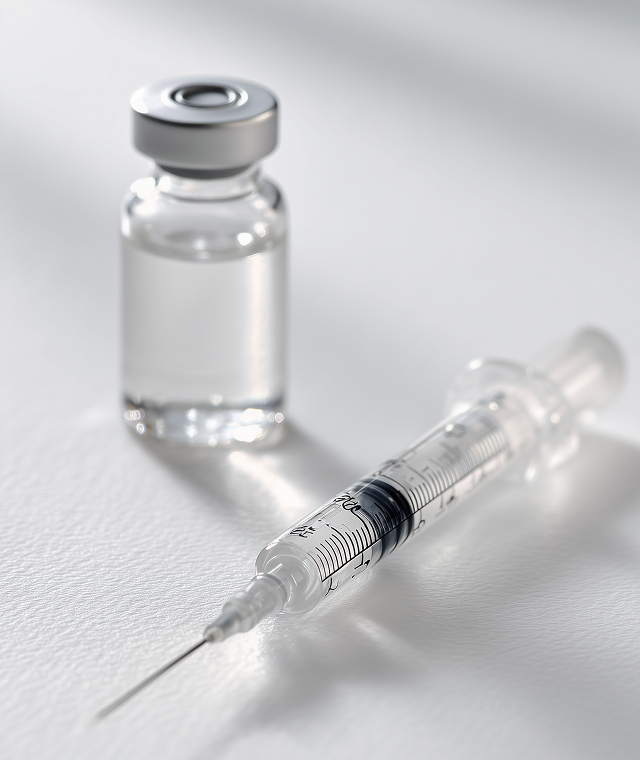
Treatment matched to the cause
Considering genetics, hormonal changes, nutrition, and lifestyle,
we apply medication, injections, and regenerative treatments.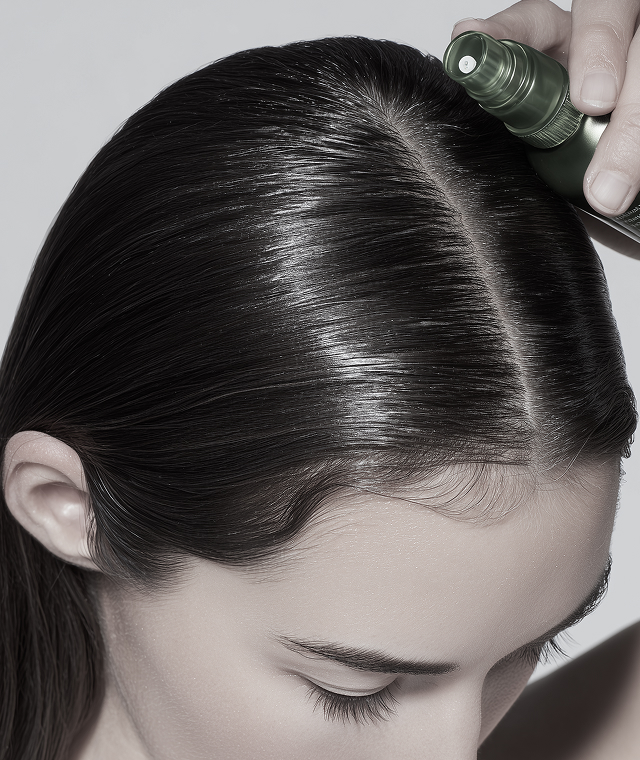
Ongoing progress checks
Because the hair growth cycle is long, we regularly monitor
your treatment response and changes in your hair.
Main types of hair loss
We classify hair loss by where it began and how it progresses, then set a treatment direction suited to its features and cause.
Male pattern hair loss
Hair thins mainly at both temples and the crown, gradually losing density.
Female pattern hair loss
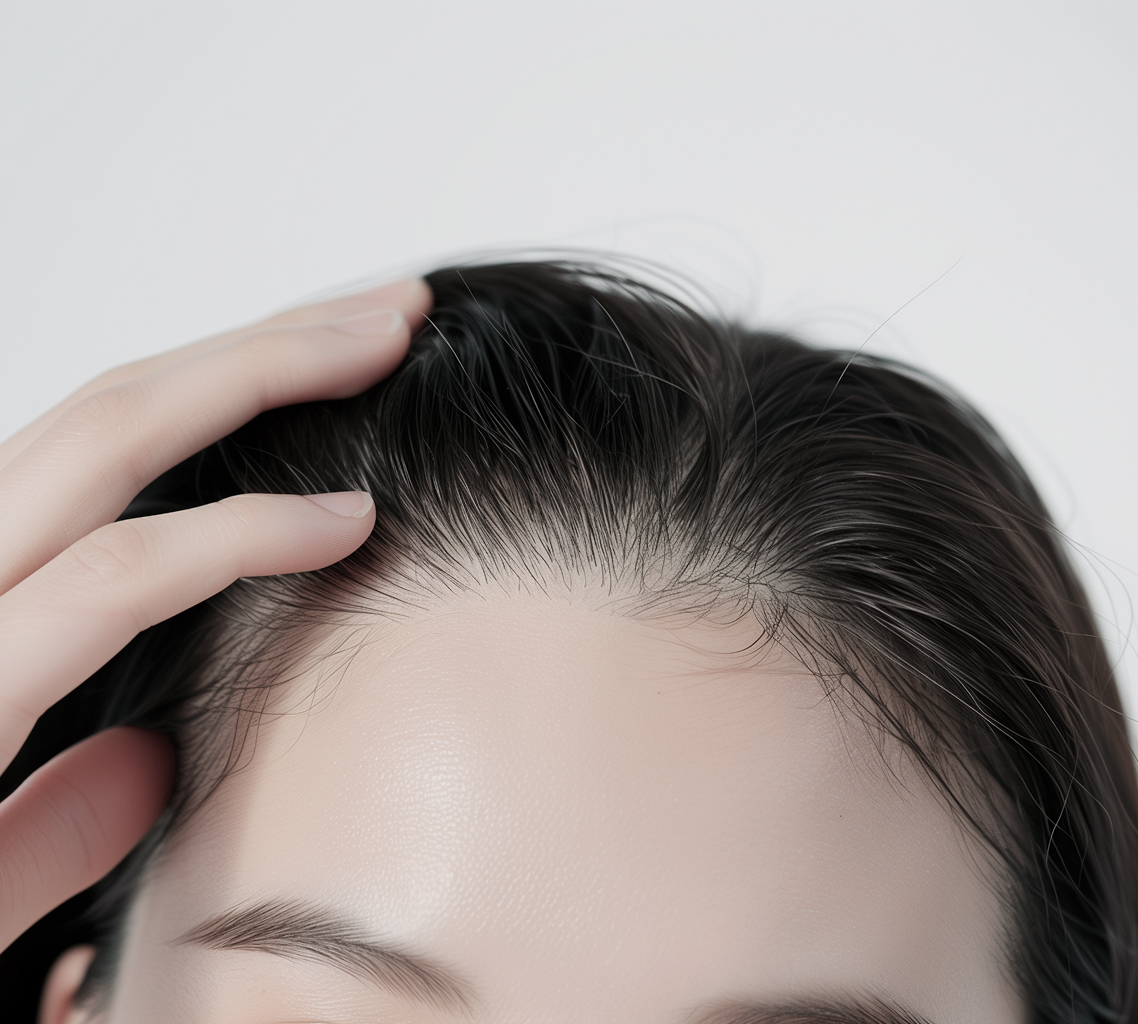
The front hairline is maintained, but hair along the part and crown thins and the scalp becomes visible.
Telogen effluvium
Widespread hair shedding after childbirth, stress, weight changes, or illness.
Scalp environment care
We check scalp conditions such as sebum, flaking, redness, and itching to support a healthy environment for hair growth.
Hair loss treatments at RE:A CLINIC
We assess the cause and progression of hair loss, hair thickness, and scalp condition, then choose the treatment each patient needs now.

Stem cell hair regeneration care
Uses your own regenerative cells to support recovery
of a weakened scalp and hair follicles.

Medication
After checking your hair loss pattern and health, we prescribe
medication to support hair growth and manage progression.

Scalp injections
Delivers key ingredients to thinning areas
to help the scalp and hair roots recover.

Laser treatment
Uses low-level laser to maintain
a scalp environment that supports hair growth.
Aftercare precautions
- Take prescribed medication exactly as directed, for the recommended period.
- Do not rub or scratch your scalp hard on the day of treatment.
- Temporarily avoid alcohol, saunas, jjimjilbang (Korean spas), and strenuous exercise.
- Postpone scalp-irritating procedures such as dyeing, perms, and bleaching for a while.
- Temporary redness, stinging, or tenderness may occur in the treated area.
Hair loss
FAQ
- Q Does losing a lot of hair always mean hair loss?
-
A
A certain amount of hair naturally sheds as part of the growth cycle.
Along with the amount of shedding, changes in hair thickness, density, and thinning areas should be checked. - Q Is it better to treat hair loss early?
-
A
If your hair has started to thin or the affected area is spreading, it is important to identify the cause.
Starting the right treatment early can help maintain hair and manage progression. - Q Is hair loss treatment the same for men and women?
-
A
Men and women may differ in how hair loss appears and which medications can be used.
We decide on treatment after considering your sex, health, pregnancy plans, and more. - Q How long does hair loss treatment take?
-
A
Because hair has a growth cycle, it takes some time to see a response to treatment.
The treatment period and maintenance plan depend on the type and progression of hair loss. - Q Will hair loss progress again if I stop treatment?
-
A
Types that require ongoing care, such as hereditary hair loss, may progress again after treatment stops.
It is important to monitor progress and adjust treatment intensity and maintenance accordingly.
